
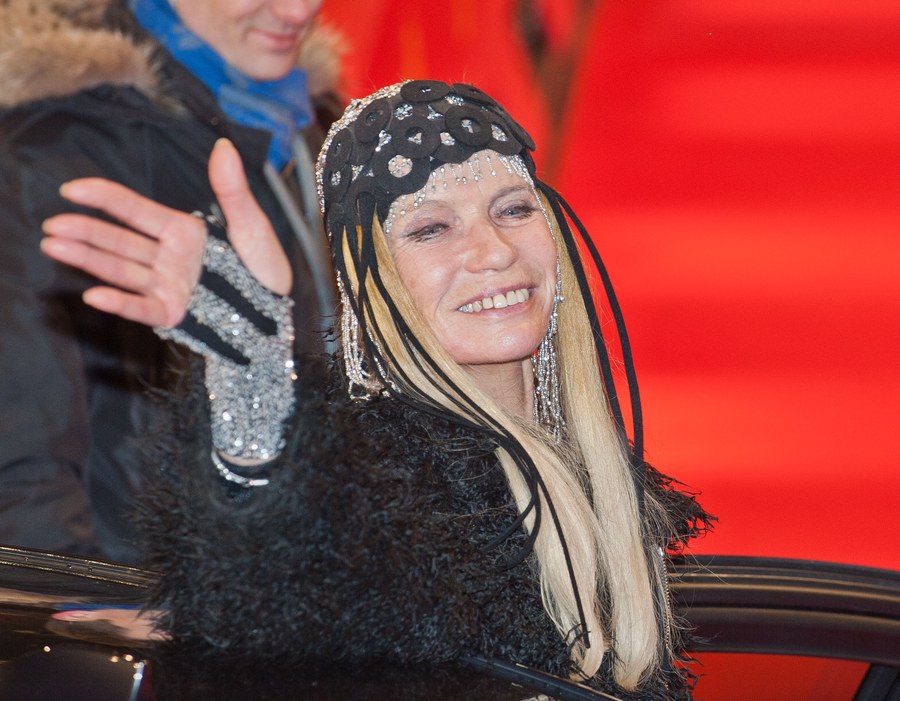
Veruschka, the German aristocrat who became one of the first supermodels, appeared in Blow-Up and later made body-painting photographs with the artist Holger Trülzsch, died on Tuesday, Nov. 24, 2026, in Berlin. She was 87. The company run by her sister, Catharina Kappelhoff-Wulff, confirmed the death on Wednesday, according to Berliner Zeitung and Der Tagesspiegel, both citing AFP. The newspaper Bild reported it first, Deadline said, and Vogue wrote that she died at home surrounded by friends and family.
No cause of death has been reported. Her family has not released one, according to Deadline and Men’s Journal.
A count’s daughter from East Prussia
- Born Vera Anna Gottliebe Gräfin von Lehndorff on May 14, 1939, in Königsberg, East Prussia, now Kaliningrad, Russia.
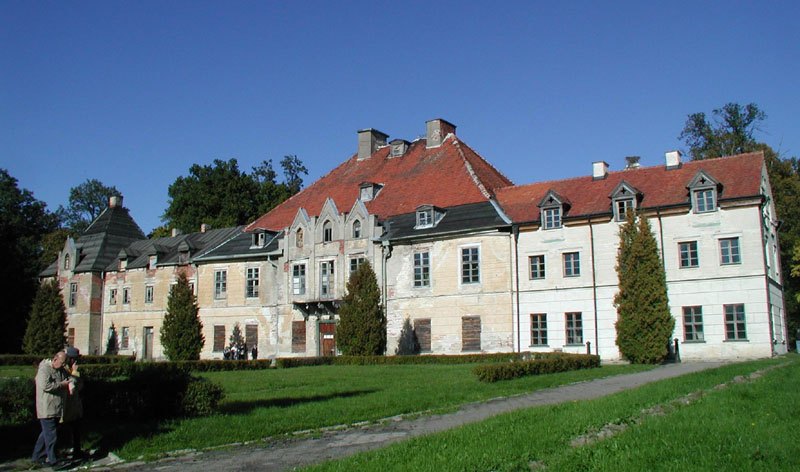
- Grew up at Steinort, the family estate on the Masurian lakes, now Sztynort in Poland. The Frankfurter Allgemeine Zeitung calls it one of the largest estates in East Prussia.
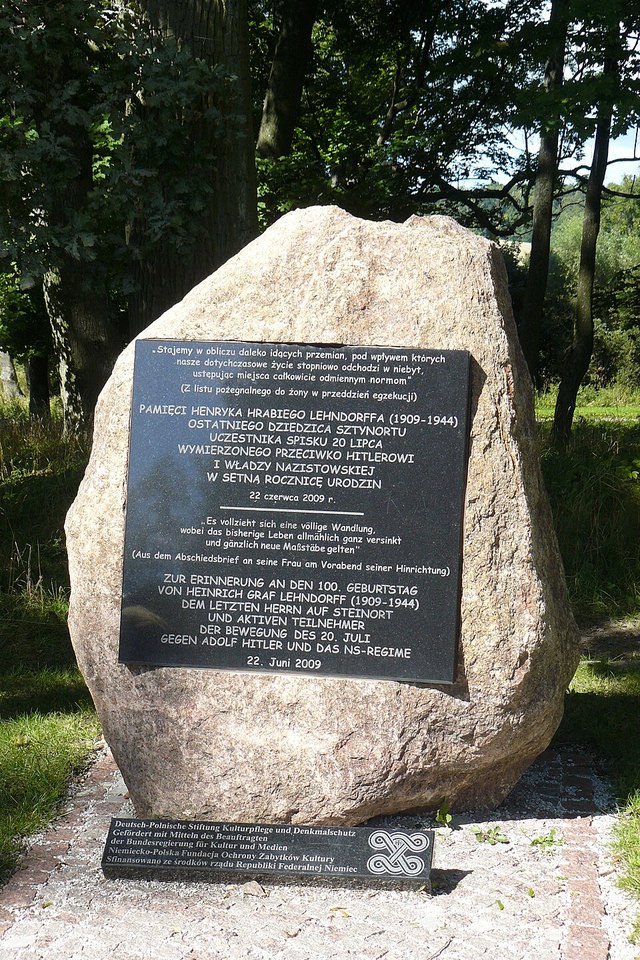
- Her father, Heinrich Graf von Lehndorff-Steinort, joined the military resistance to Hitler. He was arrested the day after the failed July 20, 1944, bomb plot and hanged at Plötzensee prison in Berlin on Sept. 4, 1944. She was five.
- The Süddeutsche Zeitung and the FAZ report that the Nazis held her and her sisters for months in a children’s home in Bad Sachsa, as relatives of the plotters. Her mother was interned in a camp, the FAZ says.
- After the war the family moved often and lived in refugee camps and with acquaintances. They settled in Hamburg, where she studied art, CNN reported.
Florence, New York and a new name
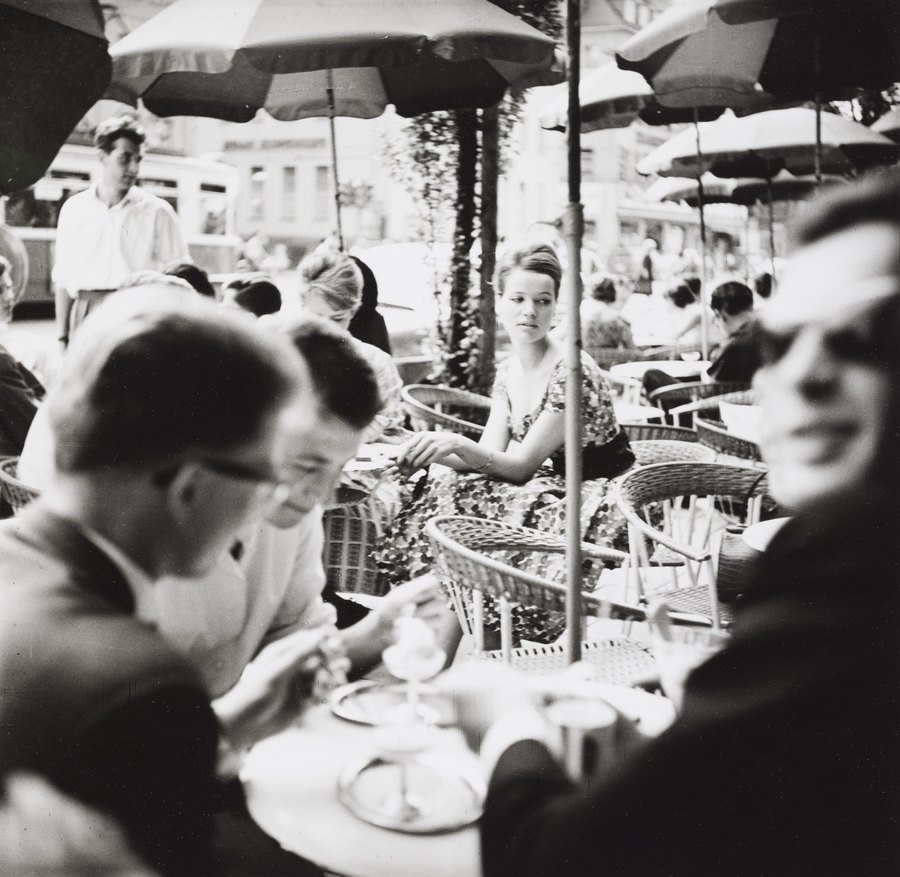
- In 1959, at 20, she was discovered in Florence by the photographer Ugo Mulas, where she had gone to paint, according to CNN and Men’s Journal.
- In Paris she met Eileen Ford of the Ford Modeling Agency. A first stint in New York was disappointing, Vogue wrote, and she found her footing in Italy.
- She took the Russian-sounding name Veruschka, a diminutive of Vera, and returned to New York in 1964. Diana Vreeland, then editor-in-chief of Vogue, became her champion.
- She stood over six feet tall, which set her apart from the models of the day.
The FAZ tells one story from the start: she arrived late to her first session with Irving Penn in his Manhattan studio, and he nicknamed her the “beatnik of Park Avenue.”
The most beautiful woman in the world
- Appeared on 13 American Vogue covers, according to Vogue and the BBC, and on the British, French and Italian editions as well.
- Was on the cover of Life in August 1967, Men’s Journal reported.
- Worked with Richard Avedon, Irving Penn, Horst P. Horst and David Bailey, Vogue said; Helmut Newton photographed her too, according to the Süddeutsche Zeitung.
- At her peak she earned as much as $10,000 a day, Men’s Journal reported.
Avedon called her “the most beautiful woman in the world,” Vogue, Deadline and CNN all reported. Vogue pointed to a 25-page Avedon editorial in its March 1, 1967, issue in which she leapt and pirouetted with her hair in a long braid. CNN also cited Avedon’s “Great Fur Caravan” shoot, which it said took five weeks in Japan and cost $1 million.
Blow-Up, Rubartelli and the movies
In Michelangelo Antonioni’s 1966 film Blow-Up she played herself, opposite David Hemmings’s fashion photographer, in a scene the FAZ puts at about five minutes.
- The Italian photographer Franco Rubartelli was her partner for about nine years, according to Variety and Vogue UK. His 1968 photograph of her in an Yves Saint Laurent safari jacket for Vogue Paris is among the best known of her images.
- Rubartelli directed Veruschka: Poetry of a Woman (1971), which she co-wrote, Vogue UK said.
- Played the lead in Ulrike Ottinger’s Dorian Gray in the Mirror of the Yellow Press (1984), according to the FAZ.
- Appeared as a countess in the 1985 horror film The Bride, the FAZ and Variety said.
- In Casino Royale (2006) she played Countess von Wallenstein, one of two women at the poker table with Daniel Craig’s James Bond, Deadline and Variety reported.
Leaving fashion for art
She largely left fashion in 1975 after disagreements with Grace Mirabella, the new editor of Vogue. “She wanted me to be bourgeois, and I didn’t want to be that,” Veruschka said, as quoted by Deadline and Men’s Journal.
- She posed in nothing but body paint for a photo shoot as early as 1966, the FAZ said.
- From the mid-1970s she worked with Trülzsch on photographs in which her painted body dissolved into walls, landscapes and other identities, according to Vogue.
- The pictures were shown in museums from New York to Paris, the FAZ reported. The Süddeutsche Zeitung says the East Prussian State Museum in Lüneburg gave the two artists a special exhibition this year.
- In 1971 she appeared on the cover of the West German magazine Stern among the women who said “We’ve had abortions,” part of a campaign to change the abortion law, Vogue wrote.
The later years
- 1994: walked the runway for Chanel, according to Vogue.
- At 71, closed Giles Deacon’s spring 2011 show in London, Men’s Journal and Vogue said.
- 2010: lent her voice to the album Mimikry by Alva Noto and Blixa Bargeld, the FAZ and Wikipedia say.
- 2011: published her autobiography, Veruschka. Mein Leben, written with Jörn Jacob Rohwer, according to the FAZ.
- Appeared in the resort 2018 lookbook for Acne Studios, Vogue and Men’s Journal said.
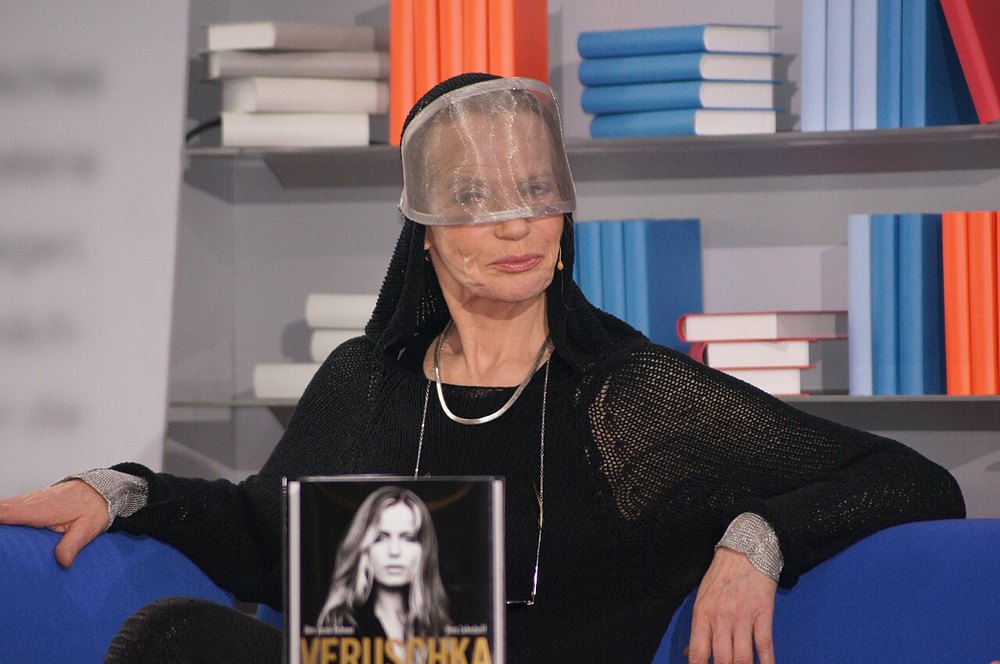
Vogue reported that about 3,000 unpublished photographs of her from Italy, taken by Johnny Moncada, were collected in the book From Vera to Veruschka. From 2005 she lived quietly in Berlin, AFP reported, as quoted by Berliner Zeitung. The Süddeutsche Zeitung says she returned to Steinort in 2007.
Tributes
“We mourn an extraordinary woman, Catharina’s sister and an artist who shaped our house from the very beginning,” the sister’s company, Gräfin von Lehndorff Design, said on its website. In a tribute quoted by the BBC, Catharina Kappelhoff-Wulff wrote: “Veruschka was never just a model – she was an artist, a boundary-pusher, a rebel.” Rubartelli posted on Instagram: “I don’t know how to say goodbye to someone who has only just come back,” Men’s Journal reported.
Quick facts
- Born: May 14, 1939, Königsberg, East Prussia
- Died: Tuesday, Nov. 24, 2026, in Berlin, at 87. No cause of death has been reported.
- Known for: 1960s supermodel; Blow-Up (1966) and Casino Royale (2006); body-painting photography with Holger Trülzsch
- Father: Heinrich Graf von Lehndorff-Steinort, executed in 1944 for the July 20 plot against Hitler
- Survivors: her sister Catharina Kappelhoff-Wulff was named in the coverage we reviewed; no others were named
The last headline
Asked about Steinort in a 2011 interview quoted by the Süddeutsche Zeitung, she said (our translation from the German): “I have, so to speak, found my home, after never having had the feeling of home in my whole life.”
Sources
- CNN, “Veruschka, one of world’s first supermodels, dies at 87”
- Deadline, “Veruschka Dies: German Supermodel Of The 1960s & ’70s Who Appeared In ‘Blow-Up’ Was 87”
- Vogue, “Veruschka, the Shape-Shifting Supermodel Who Defined an Era, Has Died at 87”
- Vogue UK, “The Love Story Behind The Veruschka Photo That Made Yves Saint Laurent’s Safari Jacket Famous”
- BBC News, “Veruschka: Striking images of one of the world’s first supermodels, who has died aged 87”
- Variety, “Veruschka, Supermodel Who Appeared in ‘Blow-Up,’ ‘Casino Royale,’ Dies at 87” (via Yahoo)
- Men’s Journal, “Veruschka, ’60s Supermodel From ‘Casino Royale’ and ‘Blow-Up,’ Dies at 87” (via Yahoo)
- Berliner Zeitung (AFP), “Erstes deutsches Supermodel: Vera von Lehndorff ist tot”
- Der Tagesspiegel (AFP, dpa), “Erstes deutsches Supermodel Vera von Lehndorff gestorben”
- Süddeutsche Zeitung (dpa), “Ex-Topmodell Vera Gräfin von Lehndorff alias ‘Veruschka’ ist gestorben”
- Frankfurter Allgemeine Zeitung, “Veruschka ist tot: Das erste große deutsche Supermodel stirbt mit 87”
- Wikipedia, “Veruschka” and “Heinrich Graf von Lehndorff-Steinort”