
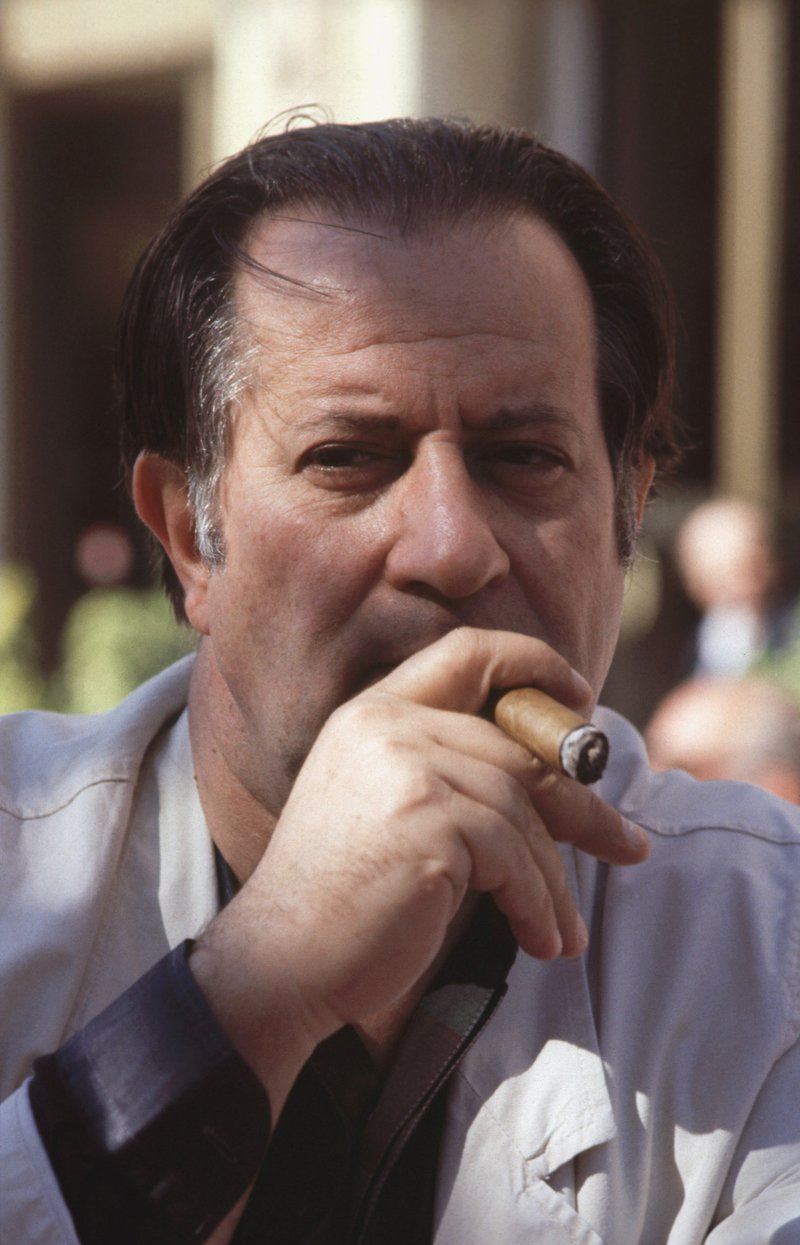
Tinto Brass wanted his name off “Caligula.” The producer, Penthouse founder Bob Guccione, had taken control of the film after fighting with Brass and with its screenwriter, Gore Vidal, and added adult scenes that were shot after the actors had finished. Brass and Vidal both disowned the result and sued to have their names removed. The credit Brass ended up with reads “principal photography.” It did not matter. When he died on Wednesday, Nov. 4, 2026, in Rome, at 93, the headlines led with the one film he had tried to walk away from.
From law school to the Cinémathèque
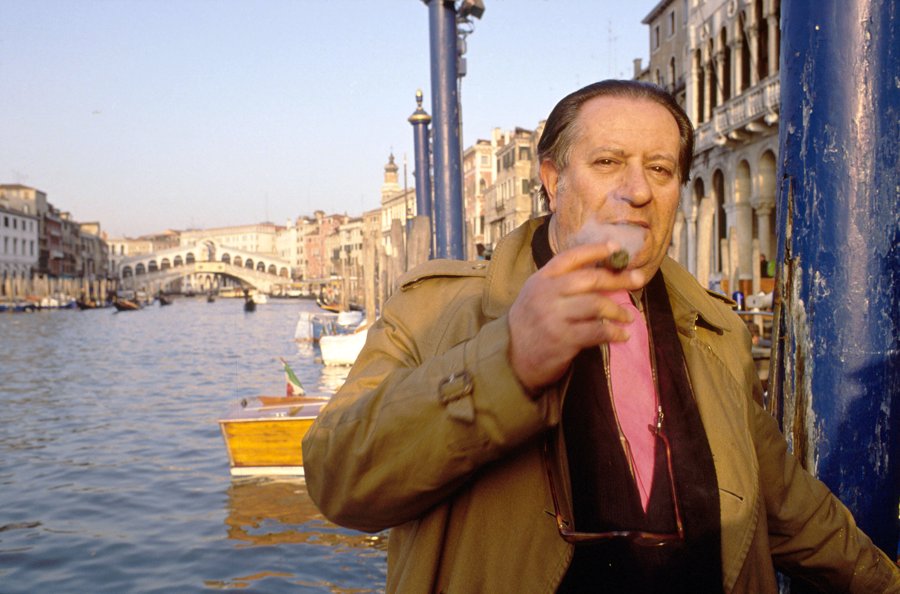
He was born Giovanni Brass in Milan on March 26, 1933, to a Venetian family of artists, and was raised in Venice. He earned a law degree, then drifted toward film in the late 1950s. His path ran through Paris:
- Archivist at the Cinémathèque Française.
- Assistant director to Roberto Rossellini, on the war drama “General della Rovere,” and to Alberto Cavalcanti.
The nickname, the story goes, came from his grandfather, the painter Italico Brass, who called the boy “Tintoretto.” It was shortened to Tinto and stayed with him for life.
The Venice years
His first feature, “Who Works Is Lost,” screened at the Venice Film Festival in 1963 and was met with enthusiastic acclaim. It had been called “In capo al mondo” before it was retitled. It also ran into serious trouble with Italian censors, the first of many such battles in his career. What followed:
- “Yankee” (1966), a western.
- “Deadly Sweet” (1967), a murder mystery shot in London with Jean-Louis Trintignant and Ewa Aulin. It was presented at Venice that year, and a 4K restoration played Venice again this year as a tribute to Brass.
- “Attraction” (1969) and “Dropout” (1970), also made in London, where he spent much of the late 1960s and early 1970s.
- “La vacanza” (1971), starring Vanessa Redgrave and Franco Nero.
Then came “Salon Kitty” (1976), starring Helmut Berger, an erotic war drama set in a high-class Berlin brothel used by the Nazi intelligence service. It broke Brass out internationally, and it pointed toward the kind of film he would make for the rest of his career, and toward the one that would overshadow all of them.
What happened to “Caligula”
“Caligula,” made in 1979, had the kind of cast most directors would envy: Malcolm McDowell in the title role as the emperor, with Helen Mirren, Peter O’Toole and John Gielgud, from a screenplay by Gore Vidal. Brass and Vidal clashed during production: Vidal was unhappy with how Brass rewrote his script, and Brass was unhappy with the editing, which was done after he was fired.
Guccione, who financed the film, fought with both men, took control of the project and threw out the script. He added adult content that he shot after the actors had finished their work. Brass and Vidal sued to have their names taken off the picture. Critics and audiences slammed it. What was released was a cut different from the one Brass intended.
In the decades since, “Caligula” has gained a cult following. In 2023 a 178-minute “ultimate cut” was showcased at Cannes.
The films after
In 1983 Brass made “The Key,” an adaptation of a novel by the Japanese author Tanizaki Junichiro, starring Stefania Sandrelli. It was a move toward more highbrow eroticism, and it played well around the world. Later films included:
- “Paprika” (1991)
- “All Ladies Do It” (1992)
- “Frivolous Lola” (1998)
- “Cheeky” (2000)
- “Black Angel” (2002)
- “Fallo” (2003)
He kept directing into his 70s.
“Completely reductive”
The man who runs the festival that premiered his first film does not accept the one-line version. “It is completely reductive to reduce him to an erotic filmmaker,” said Alberto Barbera, the artistic director of the Venice Film Festival. This year’s festival had already made the case in its own way: it brought back the restored “Deadly Sweet,” made nearly sixty years ago, not one of the later pictures.
Quick facts
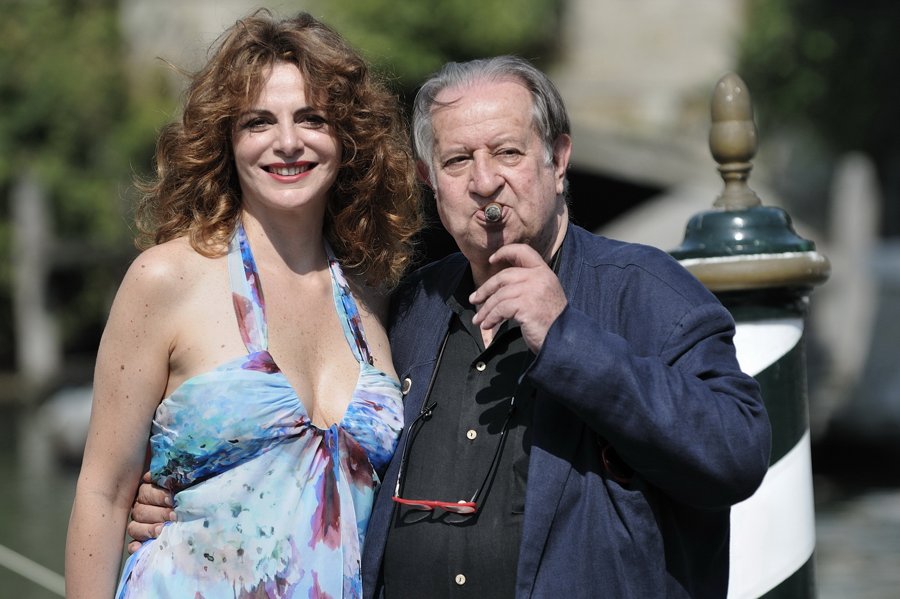
- Born: Giovanni Brass, March 26, 1933, Milan; raised in Venice
- Died: Nov. 4, 2026, Rome, at 93
- Training: law degree; archivist at the Cinémathèque Française; assistant director to Roberto Rossellini and Alberto Cavalcanti
- Debut: “Who Works Is Lost,” Venice Film Festival, 1963
- Best known for: “Salon Kitty” (1976), “Caligula” (made 1979; credited only for principal photography), “The Key” (1983)
- Survivors: his wife, Caterina Varzi; his children, Bonifacio and Beatrice Brass
The last headline
Tinto Brass died Wednesday, Nov. 4, 2026, in Rome. His wife, Caterina Varzi, and his children, Bonifacio and Beatrice Brass, announced the death to the Italian news agency ANSA. No cause was given. He was married to Carla Cipriani from 1957 until her death in 2006; they had a daughter and a son. He married Varzi, a lawyer, in 2017.
He asked to have his name taken off the picture. Decades on, it was the first thing the headlines said about him.
Sources
- The Hollywood Reporter, “Tinto Brass, Director of the X-Rated ‘Caligula,’ Dies at 93” (Nov. 4, 2026)
- Variety, “Tinto Brass, Director of Erotic Epics ‘Caligula’ and ‘Salon Kitty,’ Dies at 93”
- Screen Daily, “Caligula director Tinto Brass dies aged 93” (Nov. 4, 2026)
- Rolling Stone, Tinto Brass obituary
- Wikipedia, “Tinto Brass”