
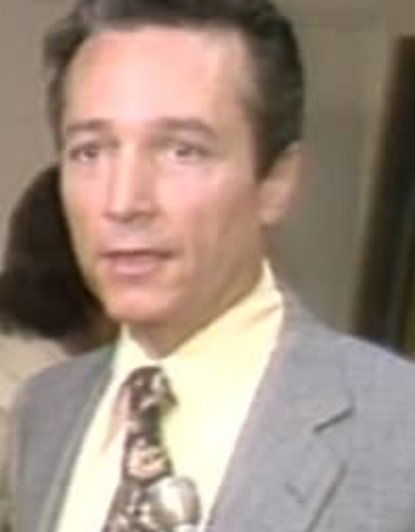
T. Cullen Davis, a Fort Worth oilman who was acquitted of murder in a 1976 shooting at his mansion and then acquitted again in an alleged murder-for-hire plot, died on Friday, Nov. 6, 2026, at his home in the Fort Worth suburb of Colleyville. He was 93. His stepson, Trey Davis, confirmed the death on Sunday, according to the Fort Worth Star-Telegram, which said the cause was not clear. Davis always maintained his innocence.
The case behind the headlines was the death of a 12-year-old girl, Andrea Wilborn, and of Stan Farr, a former TCU basketball player who was her mother’s live-in boyfriend. Prosecutors alleged Davis was the gunman. He was tried, and the juries did not convict him; this story reports it that way.
An oil family in Fort Worth
Thomas Cullen Davis was born on Sept. 22, 1933, the middle of three sons of the Fort Worth oilman Kenneth W. “Stinky” Davis, according to Wikipedia. His father founded KenDavis Industries International, which made goods used in the petroleum industry. When the elder Davis died in 1968, the three sons received equal shares of his estate. In 1972 Cullen Davis spent $6 million building the Stonegate mansion, a five-bedroom, 11-bath house with an indoor pool, according to Wikipedia.
August 1976
In August 1976 Davis and his second wife, Priscilla, were in the middle of a contentious divorce. According to the Star-Telegram, a judge had ordered Davis that morning to raise Priscilla’s support payments to $5,000 a month and to pay her attorney’s fees, and a court order had earlier barred him from the property. The accounts of what happened at the mansion, from the Star-Telegram and AP:
- A gunman dressed in black and wearing a woman’s black wig broke into the house on a hilltop off South Hulen Street. AP says he fatally shot two people: Priscilla’s daughter Andrea Wilborn, 12, and her live-in boyfriend, Stan Farr.
- The Star-Telegram says Priscilla was shot once in the chest and survived. Gus “Bubba” Gavrel Jr., a chance visitor, was shot and partially paralyzed. Beverly Bass, who had come home from a date with Gavrel, fled in the darkness.
- Priscilla, Bass and Gavrel identified Davis as the man in black. Davis said he was at the movies, and he was arrested at the home of his girlfriend and eventual wife, Karen Master, according to the Star-Telegram.
Wikipedia adds that Davis was charged with capital murder in Andrea’s death only.
The first trial
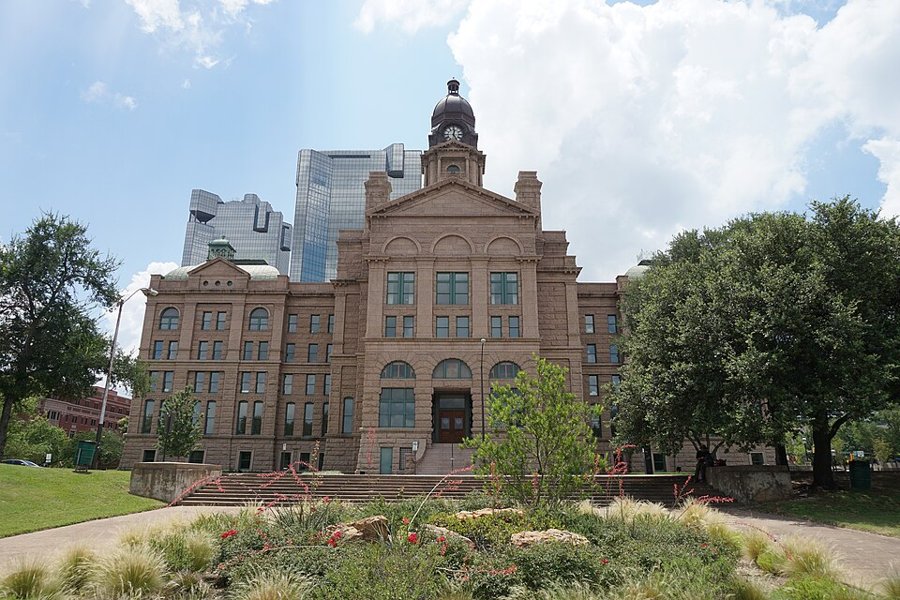
The Star-Telegram reports that the first trial in Fort Worth was aborted because of jury misconduct and that the trial was moved to Amarillo. Davis hired the Houston lawyer Richard “Racehorse” Haynes to lead a defense team that included the Dallas attorney Steve Sumner. The defense suggested that Farr, not Priscilla, was the target; prosecutors rejected that. AP reports that the second trial ended in an acquittal in 1977, and says Davis’s oil-based empire was valued at $400 million and that he was said to be the wealthiest man to stand trial for murder to that point.
Texas Monthly, in a 1979 account, says the Amarillo trial ran thirteen weeks and the jury reached its verdict after less than five hours of deliberation. It adds that jurors made clear that although they had acquitted Davis, this did not necessarily mean he was innocent. Davis has maintained his innocence ever since.
According to Wikipedia, the prosecution case rested almost entirely on eyewitness testimony. Haynes argued there was no physical evidence tying Davis to the crime, no fingerprints and no firearm linked to the killing, and that Priscilla, who had admitted heavy use of prescription painkillers, was an unreliable witness who might have been confused about who attacked her. Davis did not testify. The jury found him not guilty.
Wikipedia also reports two civil outcomes: Davis was held not liable in a civil case over Andrea Wilborn’s death, while Stan Farr’s children later sued him and received a $250,000 out-of-court settlement.
The second case
Nine months after the verdict, according to AP, Davis was arrested and charged with solicitation of capital murder. Texas Monthly says he was arrested on Aug. 20 on charges of hiring a hit man to kill his divorce judge, Joe Eidson, after a man named David McCrory went to the FBI with a story that Davis planned to arrange the killing of 15 people. AP says the FBI informant swore Davis ordered him to kill 15 people, including the judge and the three survivors of the shooting. Davis, again defended by Haynes, was acquitted, according to the Star-Telegram and AP. Wikipedia places the arrest in 1978.
- Texas Monthly’s account of the state’s case: four tapes of McCrory and Davis talking about murders and hit men, $25,000 in cash, a faked photograph of the judge’s body, and a .22 pistol with a silencer. Wikipedia says the case hinged largely on a tape-recorded conversation with an undercover man posing as a hitman, recorded in a restaurant parking lot where Davis was arrested.
- A discourse analyst testified that Davis’s words on the tape did not amount to solicitation of murder, according to Wikipedia, which calls it one of the first uses of forensic discourse analysis on recorded evidence in a US courtroom.
- Unlike in the first trial, Davis testified. He said he had not sought the killings and that the scheme was Priscilla’s plot to frame him, according to Wikipedia.
- Texas Monthly’s 1979 account of a Houston trial in the case describes a jury deadlocked eight to four for conviction and a mistrial. The Star-Telegram and AP report that Davis was ultimately acquitted in the case.
The aftermath
The shooting inspired multiple books and true-crime television programs, among them Gary Cartwright’s Blood Will Tell and the 1995 miniseries Texas Justice, in which Heather Locklear played Priscilla. Priscilla Davis died of breast cancer in 2001, at 59, still insisting on Davis’s guilt, according to Wikipedia. Andrea’s older sister, Dee Davis, told CBS’s 48 Hours in 2018, as People reported it: “No justice was ever served ... I hope y’all never stop talking about this because as soon as you stop talking about it, then it means it’s over.”
Davis’s fortune did not survive the 1980s. By the mid-1980s, AP says, his largely oil-based empire was crumbling. In the mid-1990s he said his company went bankrupt “because of the crash of the oil industry, not because of my trials.” Wikipedia adds that he and Karen sold their home and 300-acre property to a developer in 1984 and that he later declared bankruptcy. Karen Davis died at 67 in September 2016, according to the Star-Telegram.
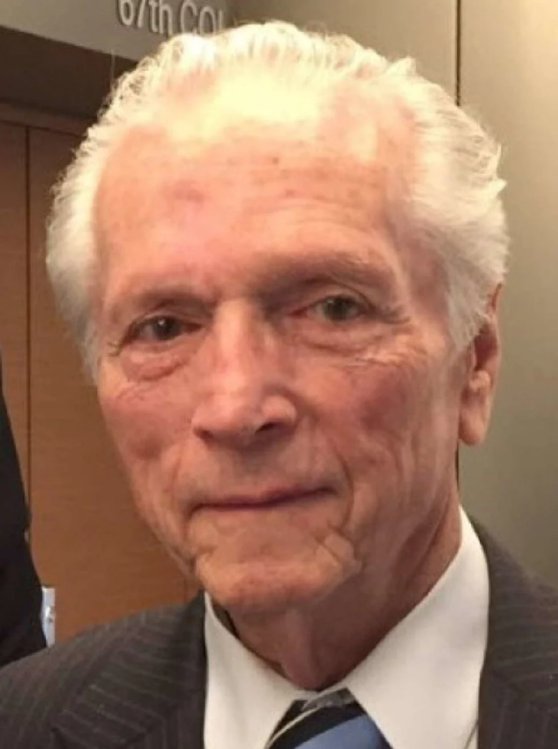
Trey Davis, Davis’s stepson, told AP that Davis became a Christian in 1981 and that “a lot of things changed.” He described him as “a man of virtue, integrity, grit and humility.”
Quick facts
- Name: Thomas Cullen Davis
- Born: Sept. 22, 1933
- Died: Nov. 6, 2026, at 93, at his home in Colleyville, Texas
- Tried: capital murder in the death of Andrea Wilborn (acquitted, 1977, after a first trial was aborted for jury misconduct); solicitation of capital murder (acquitted)
- Defense lawyer in both: Richard “Racehorse” Haynes
- Family: third wife Karen (died 2016); stepson Trey Davis
The last headline
T. Cullen Davis died on Nov. 6, 2026, at 93. He was acquitted in the case of the 1976 shootings that killed 12-year-old Andrea Wilborn and Stan Farr, and acquitted again in a murder-for-hire case that followed. The case outlasted the trials: it is still the subject of books and television programs, and Andrea’s sister has said no justice was ever served.
Sources
- Fort Worth Star-Telegram (via Yahoo), Emerson Clarridge, “Cullen Davis, millionaire oilman acquitted in Fort Worth mansion killings, dies”
- Texas Monthly, Gary Cartwright, “How Cullen Davis Beat the Rap” (May 1979)
- Associated Press (via ABC News), “T. Cullen Davis, a Texas oil tycoon acquitted in a 1970s murder trial, has died at 93”
- NBC 5 Dallas-Fort Worth, “T. Cullen Davis dies at 93, acquitted in 1976 Fort Worth shootings”
- People, “Texas Millionaire Accused of Killing Stepdaughter, 12, in Infamous 1976 Mansion Murders Dies”
- Wikipedia, “T. Cullen Davis”