
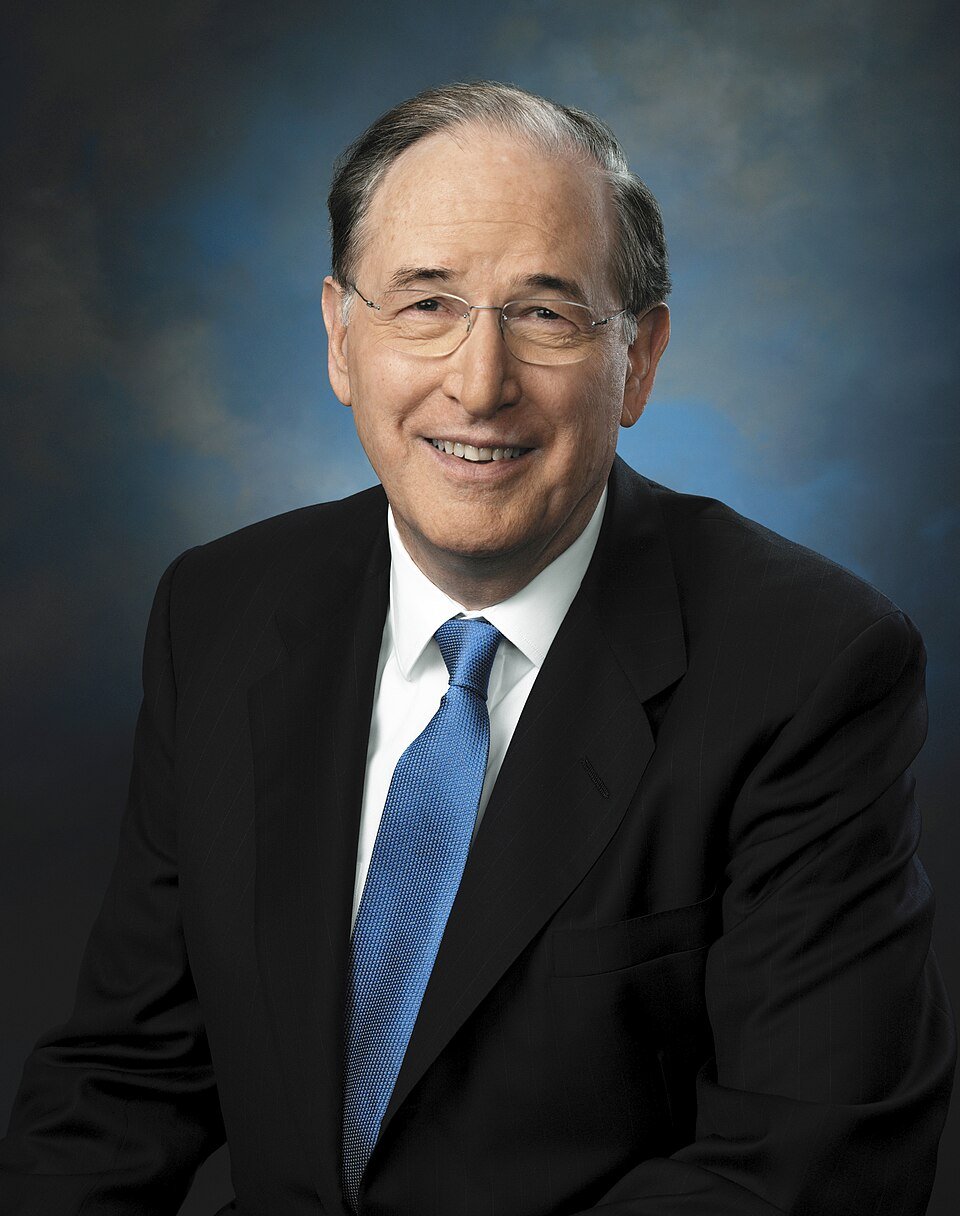
Jay Rockefeller was the great-grandson of the founder of Standard Oil, and he spent his adult life in one of the poorest states in the country. He arrived in West Virginia in 1964 as a poverty-program volunteer, served eight years as its governor and 30 years as its U.S. senator, and died at his home in Washington, D.C., at 89.
Born into it
John Davison Rockefeller IV was born in New York City on June 18, 1937, 26 days after the death of his great-grandfather, John D. Rockefeller. His father was John D. Rockefeller III, and his uncles included Nelson, later New York’s governor and a vice president of the United States, and David, the banker. He went to Phillips Exeter Academy and then to Harvard, where he studied Far Eastern languages and history. In his junior year he went to International Christian University in Tokyo, and he spent three years studying Japanese.
After Harvard he worked for Sargent Shriver at the Peace Corps in Washington and directed operations for its largest overseas program, in the Philippines.
A Rockefeller in Emmons
In 1964 he moved to Emmons, a coal community on the Big Coal River along the Kanawha-Boone county line, as a VISTA volunteer. He later said no one let him into their house for the first six months. He stayed anyway, and within two years he was in politics:
- 1966: switched his registration from Republican to Democrat, a break from the family’s party that drew national attention, and ran for the House of Delegates. He was the top vote-getter in the general election.
- 1968: elected secretary of state, winning the general election by more than 155,000 votes.
- 1970: declared that strip mining of coal “must be prohibited by law, completely and forever.”
- 1972: lost the governor’s race to the popular incumbent Arch Moore by 73,355 votes. He believed the strip-mining stand cost him in the southern coal counties, and he later softened it. His campaign spent more than $1.5 million, then a record for one candidate in one election; Moore spent $696,029.
- 1973-75: president of West Virginia Wesleyan College, where he worked to reverse falling enrollment.
Governor
In 1976 he won the governorship over former Gov. Cecil Underwood, 495,659 votes to 253,423, the largest majority in state history. His first term brought heavy snow, fuel shortages, floods and a national coal strike that ran 111 days in West Virginia.
Governors in coal states faced the same question: whether to use the National Guard against striking miners. Indiana’s Otis Bowen called out the Guard on Feb. 14, 1978, to protect convoys of coal trucks. Rockefeller and Pennsylvania’s Milton Shapp refused to call out the Guard in their states. Six years after the coal counties turned against him over strip mining, Rockefeller had moderated his stance on coal and was earning more trust from labor and miners.
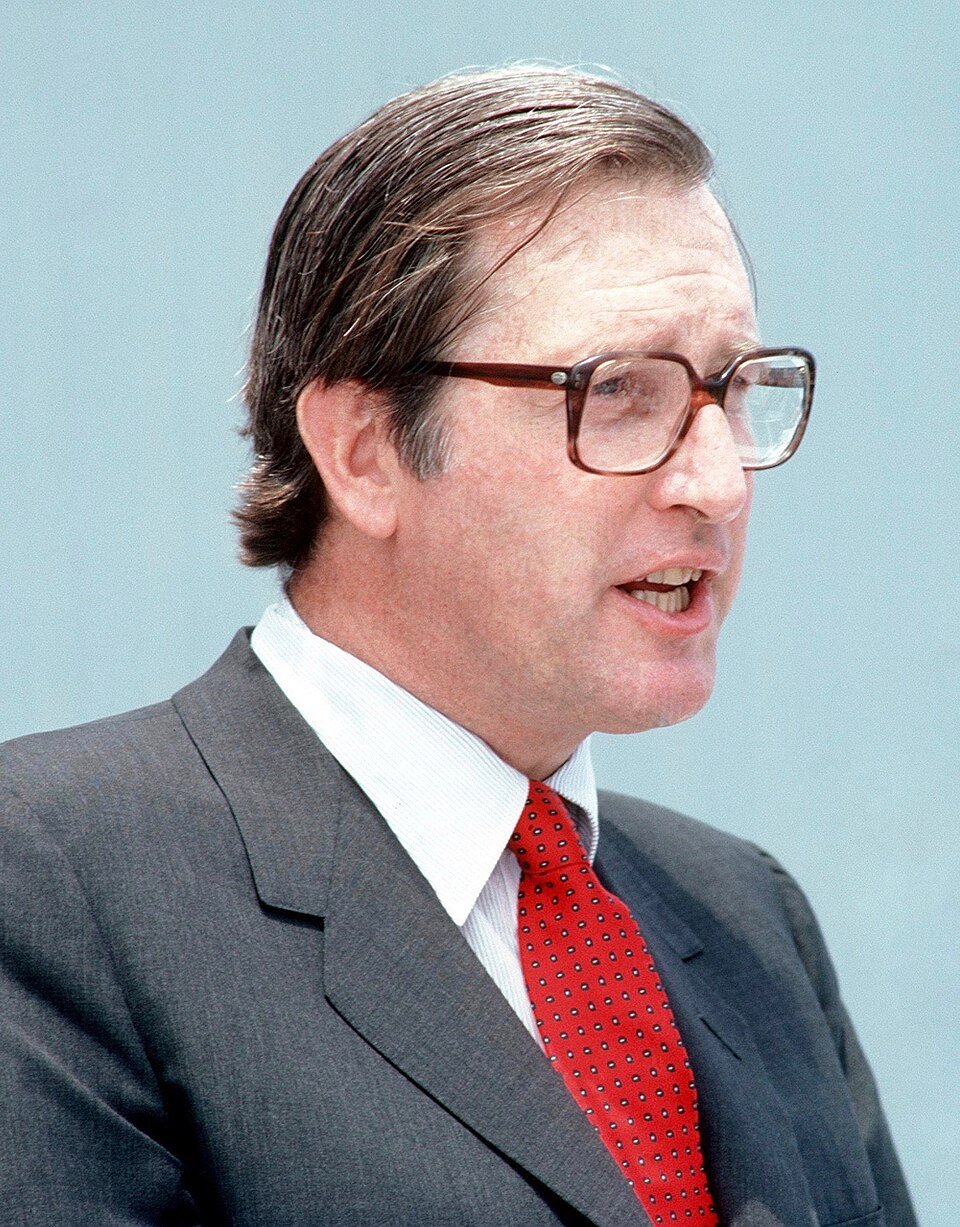
Also in 1978 he became chairman of the President’s Commission on Coal, pressing for coal to get a higher place in national energy policy. In 1979 he persuaded the legislature to phase out the 3 percent sales tax on food, a campaign promise, and his administration landed a $500 million coal liquefaction demonstration plant for Morgantown.
In 1980 he met Arch Moore again and won, by about 64,500 votes, becoming the first Democrat to win consecutive terms as West Virginia’s governor. Moore’s supporters printed bumper stickers reading “Make Him Spend It All, Arch,” since Rockefeller’s campaign cost nearly $12 million. His supporters answered with “Spend It, Jay. It’s Yours.” His second term ran through the early-1980s recession, when unemployment in the state sat between 15 and 20 percent from 1982 to 1984.
Thirty years in the Senate
In 1984, while still governor, he narrowly beat businessman John Raese for the Senate seat of Jennings Randolph in a year Ronald Reagan easily carried the state, spending more than $12 million. He was re-elected in 1990, 1996, 2002 and 2008 by wide margins, and he became the state’s senior senator when Robert Byrd died in 2010.
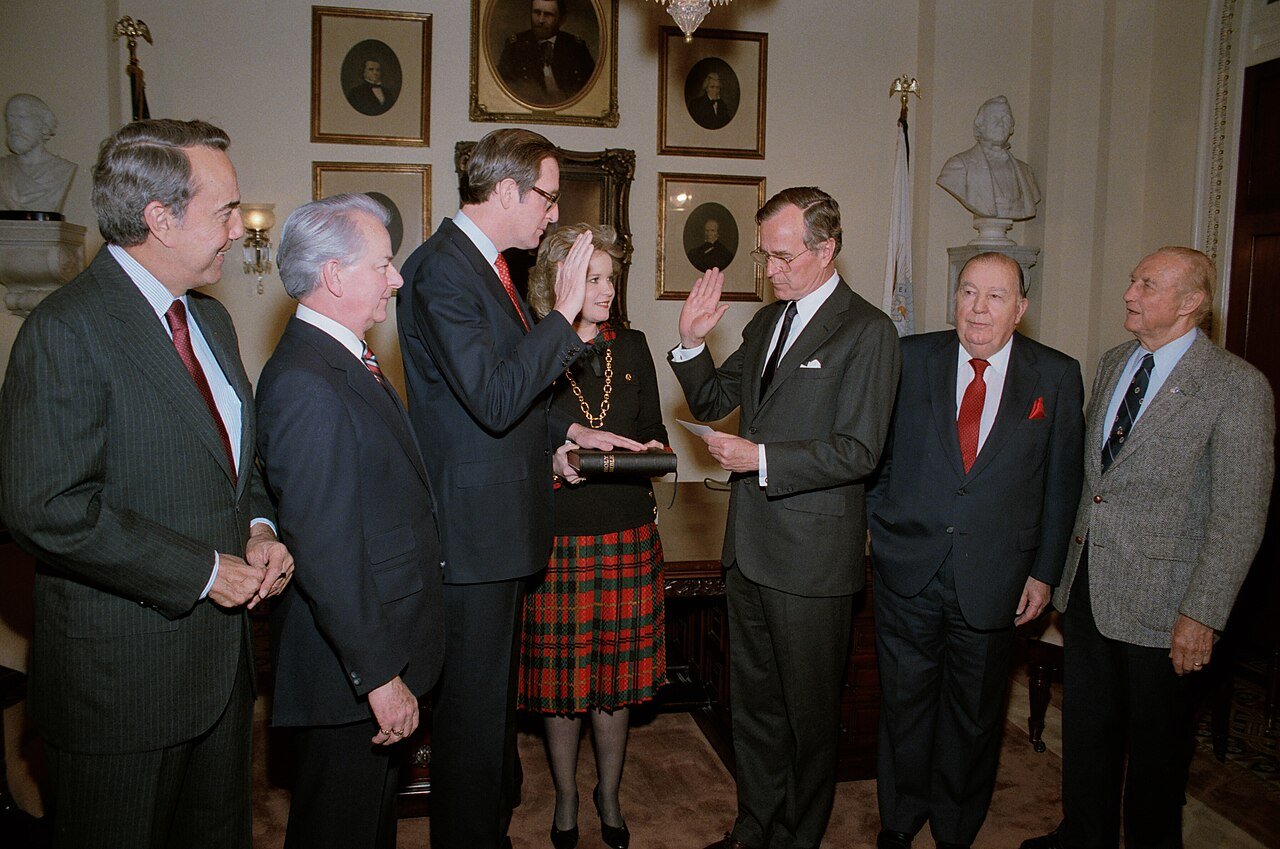
His West Virginia work came in three main strands:
- Coal miners: in 1992 he wrote the Coal Act, passed as part of the Energy Policy Act of 1992, which created the Combined Benefit Fund and the 1992 UMWA Benefit Plan. The United Mine Workers says more than 100,000 retired miners and their spouses and dependents faced cuts or the loss of their coverage. In 1995 the union made him an honorary member. In 2000, with the fund near insolvency, he worked with the Clinton administration on a proposal of $346 million over ten years to keep it solvent.
- Jobs: he helped with the 1984 employee buyout of Weirton Steel. He courted Toyota for 10 to 12 years, with trips to Japan, drawing on the Japanese he learned in the 1950s and a relationship with the founding family that went back to the 1960s. In 1996 Toyota chose a cornfield in Buffalo, Putnam County, for an engine plant that now employs about 2,200 people.
- Medicine: he put his mother’s name on the Blanchette Rockefeller Neurosciences Institute in Morgantown, founded in 1999 after she died of Alzheimer’s disease in 1992.
Nationally he was known for health care. With Ted Kennedy he was a principal Senate backer of the Clinton health plan in 1993, hosting its first strategy meeting at his house beside Rock Creek Park; the plan was defeated. In 1997 he co-authored the Children’s Health Insurance Program, which covers about 6 million children a year who would otherwise be uninsured. In 2009 and 2010 he voted for the Affordable Care Act and pressed for a public insurance option. For veterans he wrote the law that for the first time required the VA to offer home health care, adult day care, respite care and hospice care.
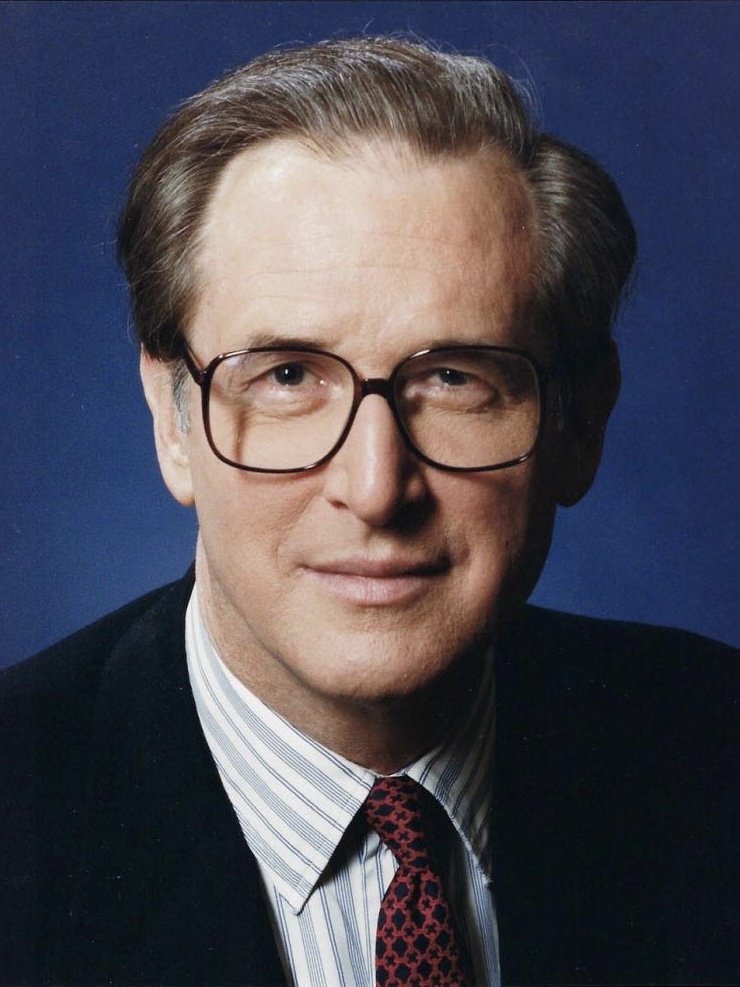
He chaired the Senate Intelligence Committee from 2007 to 2009 and the Commerce, Science and Transportation Committee from 2009 to 2015. He voted for the 2002 Iraq war resolution and later said he regretted it; as Intelligence chairman he released the committee’s report on how the Bush administration used prewar intelligence in June 2008. On coal he did not always follow his party: he opposed the Obama-era EPA’s oversight of mountaintop removal mining.
In 2004, when his name came up as a possible running mate for John Kerry, he said, “I have no interest in any other job than being the senator from West Virginia.” In January 2013 he announced he would not run again: “West Virginia has become my life and my cause.” West Virginia University named its School of Policy and Politics for him in 2014, and he gave his Senate papers to the university’s library that November. A federal judge who had known him since 1970 remembered a man 6 feet 7 inches tall who was a familiar figure in fire halls and church basements and who learned people’s names and remembered them.
Quick facts
- Name: John D. “Jay” Rockefeller IV
- Born: June 18, 1937, New York City
- Died: Nov. 6, 2026, at his home in Washington, D.C., at 89
- Offices: West Virginia House of Delegates 1966-68; secretary of state 1969-73; governor 1977-85; U.S. senator 1985-2015
- Coal: did not call out the National Guard in the 1977-78 strike; wrote the 1992 Coal Act; honorary member of the United Mine Workers, 1995
- Health: co-authored the Children’s Health Insurance Program, 1997
- Japan: Grand Cordon of the Order of the Rising Sun, 2013
- Survivors: his wife, Sharon Percy Rockefeller, whom he married in 1967; four children and nine grandchildren
The last headline
Jay Rockefeller died at his home in Washington, D.C., surrounded by family, at 89. Most accounts give the date as Friday, Nov. 6, 2026; one report said Thursday night. No cause was given.
His wife of 59 years, Sharon Percy Rockefeller, is the chief executive of the Washington public television station WETA. He is also survived by their four children, Jamie, Valerie, Charles and Justin, and nine grandchildren.
Sources
- WV Public Broadcasting, “Jay Rockefeller dies at 89” (reports death on Thursday night, Nov. 5)
- Charleston Gazette-Mail, “‘He chose West Virginia’: Former WV governor, U.S. Sen. Jay Rockefeller dies at 89”
- WCHS, “Longtime U.S. Senator John D. ‘Jay’ Rockefeller dies at 89”
- Fox News / Associated Press, “Former senator, governor Jay Rockefeller dies at 89”
- WV MetroNews, “Former senator and governor Jay Rockefeller has died”
- e-WV: The West Virginia Encyclopedia, “Jay Rockefeller”
- Wikipedia, “UMW Bituminous coal strike of 1977–1978” (citing Time, March 20, 1978)
- U.S. Government Accountability Office, GAO-02-243, on the Coal Act’s Combined Benefit Fund and 1992 UMWA Benefit Plan
- White House release, Jan. 27, 2000, “Vice President announces funding for health benefits” (credits Rockefeller as author of the Coal Act)
- Wikipedia, “Jay Rockefeller” (early life, Peace Corps, CHIP, Intelligence Committee, Nov. 6 date of death)