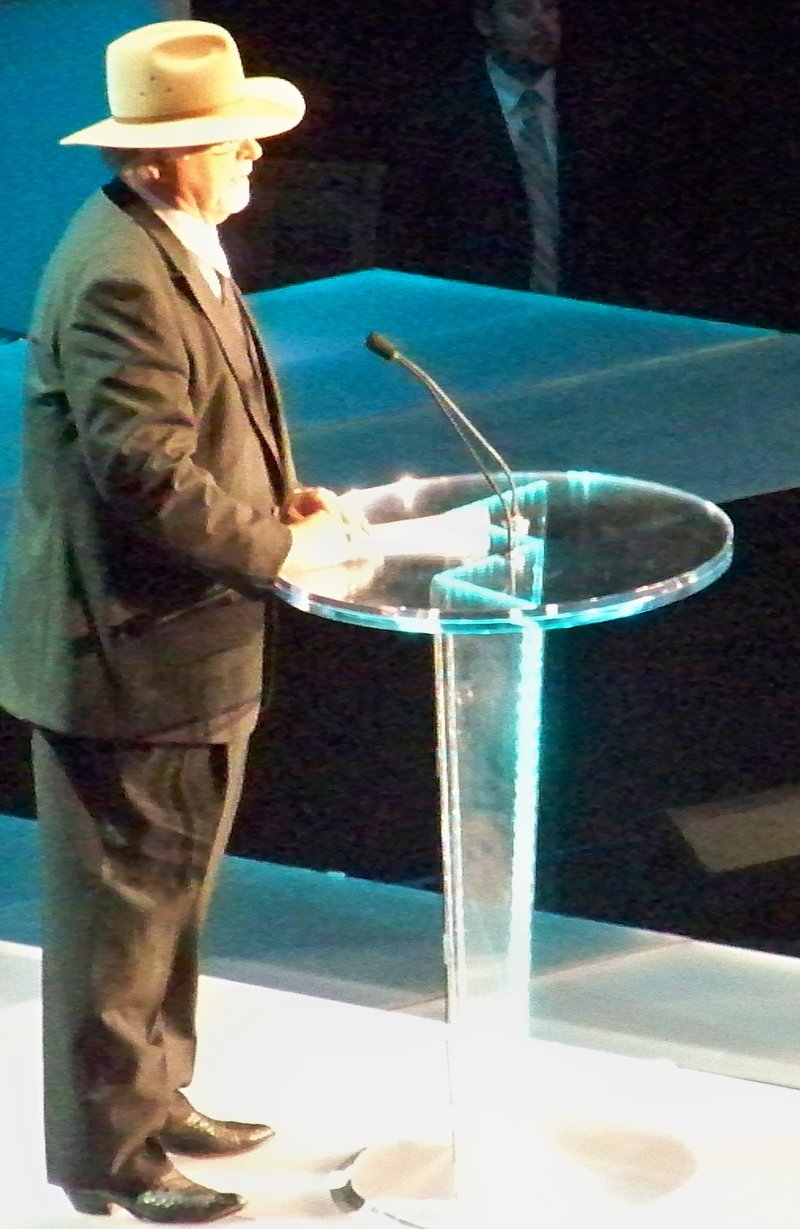
“Cowboy” Bill Watts died on Tuesday, Nov. 17, 2026. He was 87. His son Erik Watts sent word to the wrestling journalist Bill Apter, who announced the death that day, and WWE then confirmed it in a statement. The cause of death was not reported.
He was an Oklahoma football player who became a wrestling villain and then a promoter. From 1979 to 1987 he owned Mid-South Wrestling, where he is often credited with creating the episodic, week-to-week storyline style of television wrestling. He later ran World Championship Wrestling for a short time and left amid a controversy over an interview he had given before he was hired.
Oklahoma City to Norman
He was born William F. Watts Jr. on May 5, 1939, in Oklahoma City. According to Wikipedia, he played linebacker at Putnam City High School and was recruited to the University of Oklahoma by coach Bud Wilkinson, where he played guard.
His professional football was brief. Wikipedia gives this sequence:
- Went undrafted in the 1961 NFL draft
- Spent 1961 on the Houston Oilers’ offseason squad
- Played for the Indianapolis Warriors of the United Football League
- Had a tryout with the Minnesota Vikings, and left after general manager Jim Finks wanted him to quit wrestling
Oklahoma City’s News9 puts it more simply: he briefly played professionally for the Oilers, then an American Football League team.
The villain opposite Sammartino
Watts began wrestling in 1962. Wikipedia says the wrestler Wahoo McDaniel introduced him to the business, and News9, citing WWE, says “Wild” Red Berry recommended him to Vincent J. McMahon. He was billed at 6 feet 3 inches and 297 pounds.
His villain persona drew a strong crowd reaction in a rivalry with Bruno Sammartino, the WWWF champion. According to Wikipedia, he never won that title. He also challenged for the NWA and AWA world championships and wrestled in San Francisco, Chicago, St. Louis and Japan.
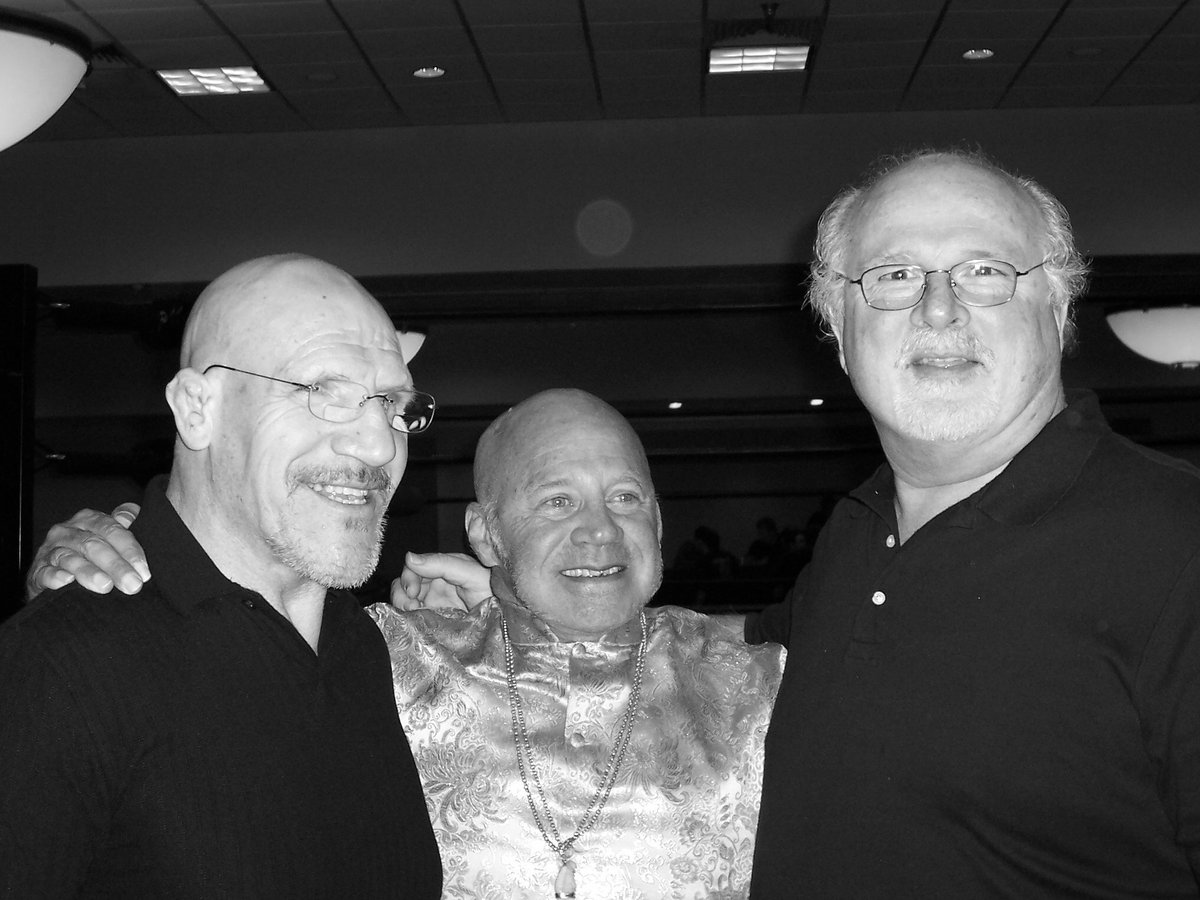
The titles the obituaries list:
- WWWF tag team championship, with Gorilla Monsoon
- AWA United States Championship
- NWA Florida Heavyweight Championship
- NWA Tri-State Tag Team Championship, with partners including Buck Robley
- Mid-South North American Heavyweight Championship
He retired from the ring in 1979.
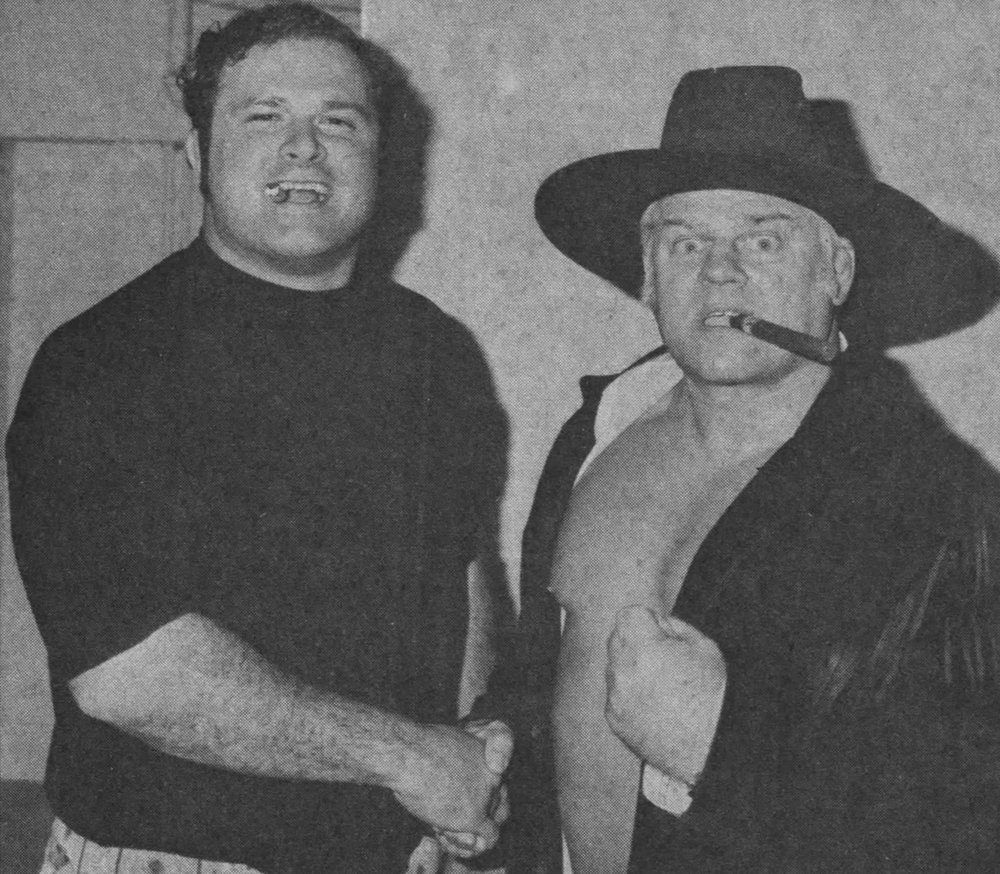
Mid-South
The promotion’s history, as Wikipedia gives it:
- 1979: Watts bought the NWA Tri-State territory from Leroy McGuirk, renamed it Mid-South Wrestling and withdrew from the NWA
- 1985: the show aired on TBS
- March 1986: relaunched as the Universal Wrestling Federation, with a syndication deal for two weekly one-hour shows
- April 9, 1987: sold to Jim Crockett Promotions
The territory covered Oklahoma, Arkansas, Louisiana and Mississippi. Obituaries credit Watts with an influential hand in making stars of Junkyard Dog, Ted DiBiase, the Freebirds and “Hacksaw” Jim Duggan. WWE’s statement credited him with helping lesser-known wrestlers become regular main-event fixtures.
Junkyard Dog was the top draw of the early 1980s. Wikipedia says a 1980 main event against Michael Hayes drew nearly 30,000 people and a 1984 show drew 22,000.
Watts ran the company by old rules. According to Wikipedia, he kept heroes and villains in separate locker rooms so the public would not see them together. Jim Ross, a Mid-South announcer, has been described as his protégé.
The national push did not last. Wikipedia ties the decline to the 1980s oil glut and Oklahoma’s recession in late 1986, and says Watts sold after losing more than half a million dollars.
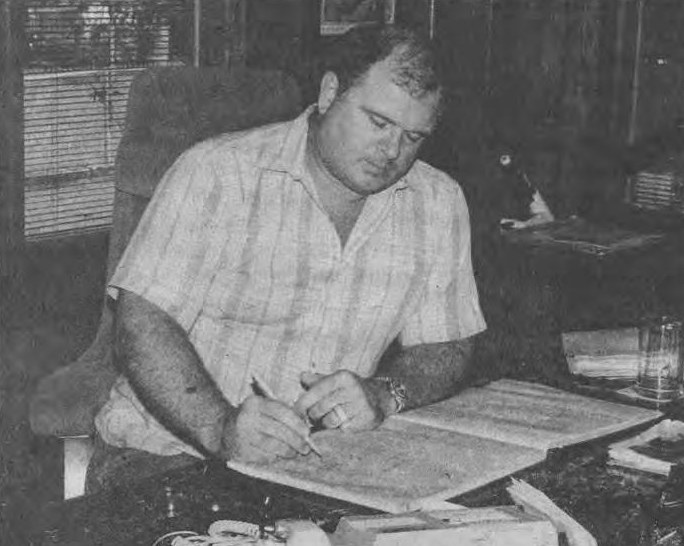
WCW and the Torch interview
In 1992 Watts became executive vice president of WCW, succeeding Kip Frey. According to Wikipedia, he brought his old rules with him, including limits on moves from the top rope and less action outside the ring.
He was gone the next year, and accounts of why differ.
Before taking the job, Watts had given an interview to Wade Keller of the Pro Wrestling Torch. According to Wikipedia, he defended a restaurant owner’s refusal to serve Black customers, a position that is illegal under the Civil Rights Act of 1964, and made other racist and offensive remarks. Wikipedia says the journalist Mark Madden brought the interview to Hank Aaron, then a Turner Broadcasting executive, in February 1993. Fightful reported in 2021 that Aaron publicly disavowed the comments and allegedly pushed for Watts to be removed.
Wikipedia says WCW took pay-per-views and programming out of Watts’s hands and placed him on a booking committee, and that he then left.
Watts gave a different account. He said he resigned for his own reasons. In an April 1993 letter to Aaron, according to Wikipedia, he wrote that Turner executives had the interview before they hired him. Some obituaries attribute his exit only to an old-school style that no longer fit the company.
After
Watts worked briefly as a booker for the WWF in 1995, on what Wikipedia describes as a three-month contract. The honors came later:
- Wrestling Observer Hall of Fame, 1996
- Cauliflower Alley Club, 2001
- WWE Hall of Fame, 2009, presented by Jim Ross
- National Wrestling Hall of Fame, 2013
- Professional Wrestling Hall of Fame, 2013
He lived for many years in Bixby, Oklahoma, outside Tulsa, and co-hosted a sports talk radio show in Tulsa until late 2008. His autobiography, The Cowboy and the Cross: The Bill Watts Story, was published in 2006.
The last headline
Bill Watts died on Nov. 17, 2026, at 87. The cause was not reported. According to Wikipedia, he had five children. One of them, Erik Watts, was trained by his father, made his debut for WCW in 1992 and was the one who relayed the news of his death.
WWE’s statement remembered him as tough in the ring and no-nonsense in business. He spent 17 years as a wrestler and eight as the owner of a territory whose weekly television is still what he is most often credited for.
Sources
- Yahoo Sports, “Legendary wrestling promoter ‘Cowboy’ Bill Watts dead at 87”
- Yahoo Sports, “Bill Watts Dead, Former Mid-South Promoter & WCW Boss Dies At 87”
- Sports Illustrated FanNation
- KTLA
- Yahoo Sports, “WWE Issues Statement On Passing Of Hall Of Famer Bill Watts”
- Wrestling Inc.
- Pro Wrestling Dot Net
- News9
- Fightful (2021 Hank Aaron piece)
- National Wrestling Hall of Fame
- Wikipedia: Bill Watts
- Wikipedia: Universal Wrestling Federation (Bill Watts)