
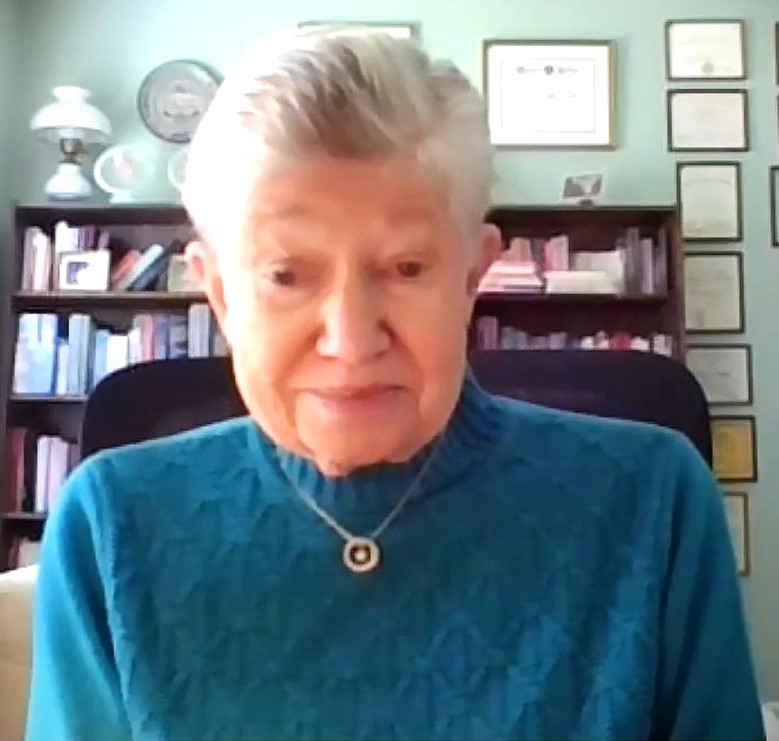
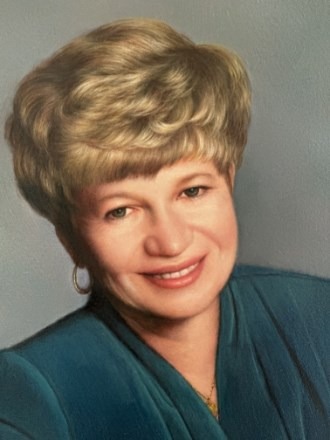
In 1975, administrators at West Jersey Hospital in Camden, New Jersey, barred lessons on human sexuality from the nursing curriculum Beverly Whipple taught. She resigned and started a sex education course at a community college instead. Five years later, she and a colleague reported that the 400 women in their study had a sensitive zone of the vaginal wall at about the “11 o’clock and 1 o’clock” positions — a finding one colleague wanted to call the “Whipple Tickle,” and that the rest of the world came to know as the G-spot. Whipple died Monday, Nov. 2, 2026, at her home in Voorhees, New Jersey, at 85. Her husband, Jim Whipple, said the cause was complications of an illness consistent with Alzheimer’s disease.
Jersey City, Wagner College, nursing
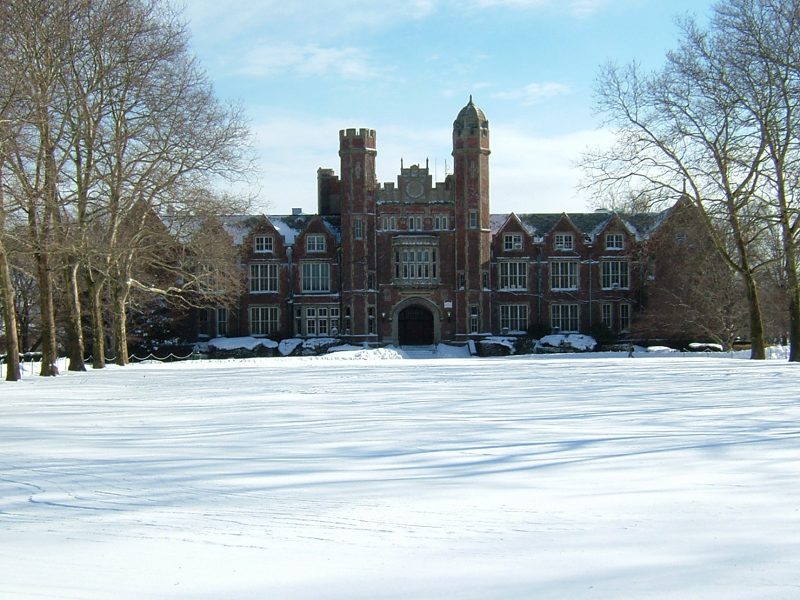
Beverly Hoehne, the daughter of Beatrice and Howard Hoehne, was born in June 1941 and raised in North Jersey, according to her family obituary; other published accounts give the date as June 30 and the places as Jersey City and Secaucus. She met Jim Whipple in Point Pleasant Beach in 1958, and they married in September 1962. She earned a bachelor’s in nursing at Wagner College, then a master’s in counseling, a master’s in nursing and a PhD in psychobiology (major in neurophysiology) at Rutgers. Wagner gave her an honorary doctorate in May 2019. She began her working life as a nurse, and it was from nursing, not medicine or psychology, that she moved into the study of human sexuality.
1975: the subject she was not allowed to teach
By 1975 she was teaching nursing at West Jersey Hospital in Camden, and sexuality was part of what she taught, until administrators removed it from the curriculum. She resigned. Rather than drop the subject, she built a course around it, starting a sex education class at Gloucester County College in Sewell, New Jersey. The topic the hospital would not allow in its classroom became the rest of her career.
A 1950 article and 400 volunteers
Her research centered on the neurophysiology of the female orgasm. In the course of it she found a 1950 article by Ernst Gräfenberg, a German physician, describing female ejaculation and a sensitive area of the vaginal wall. With the sexologist John D. Perry, she recruited 400 women for a study. The findings were reported at a 1980 meeting of the American Association of Sex Educators, Counselors and Therapists (AASECT), according to time.news, a rewrite of the Times obituary: a sensitive zone at roughly the “11 o’clock and 1 o’clock” positions.
Not the “Whipple Tickle”
A colleague proposed naming the zone the “Whipple Tickle.” She said no, because of the Charmin “Mr. Whipple” commercials. The zone was named the Gräfenberg spot instead, after the doctor who had described the area 30 years earlier, and the name was soon shortened to G-spot. A 1981 paper in the Journal of Sex Research, by Addiego, Belzer, Comolli, Davis, Whipple and Perry, is reported by Wikipedia to be the first published use of the term “G spot,” and the 1982 book “The G Spot,” written with Alice K. Ladas and Perry, carried it into general use. She reportedly appeared on “The Phil Donahue Show” and pointed out the area on an anatomical model in 1981.
Moving past the spot she helped name
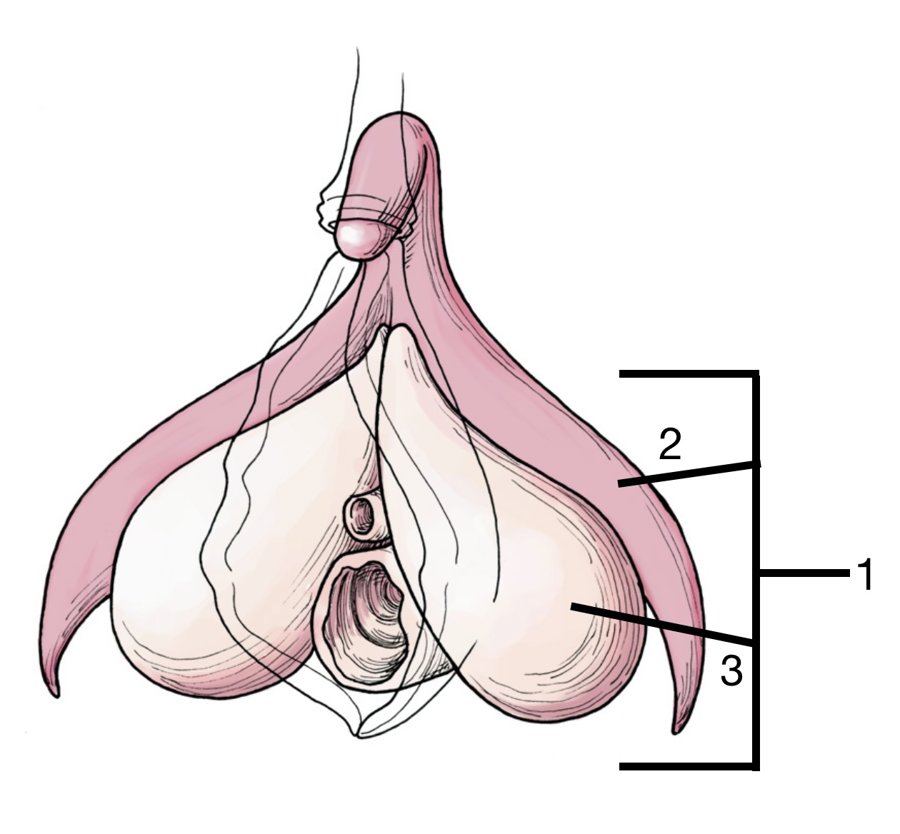
Whipple later moved away from the word she had helped coin. She came to prefer the term “clitourethrovaginal complex.” She argued that pleasure varies from one person to the next and warned against treating the G-spot as a single goal. In 2010 she was one of six scientists who co-authored a review titled “Who’s Afraid of the G-spot?”, which concluded that more research was needed. In a 2018 episode of the Netflix series “Explained,” she said: “When you are searching for something as a goal, you are going to miss a lot of pleasure on the way.”
The rest of the work
The G-spot was the headline, not the whole career:
- Books: “Safe Encounters” (1988), “Smart Women, Strong Bones” (2000), “Outwitting Osteoporosis” (2003), “The Science of Orgasm” (2006) and “The Orgasm Answer Guide” (2010, per the family obituary).
- Research: She used fMRI in her research. Her animal experiments contributed to isolating vasoactive intestinal peptide, and to showing that orgasm can reach the brain by way of the vagus nerve — a route that could allow women with spinal cord injuries to reach orgasm through psychological stimulation alone.
- Reach: “The G Spot” was translated into 22 languages and republished as a Classic in 2005. Her family obituary counts more than 300 radio and TV appearances, more than 800 talks, more than 250 articles and chapters, and more than 115 awards.
- Honors: Professor Emerita at Rutgers University; elected Fellow of the Society for the Scientific Study of Sexuality. In 2013 Cosmopolitan named her one of “10 Sexual Revolutionaries You Should Know.”
Other honors, as listed in her family obituary and by Wikipedia:
- Fellow of the American Academy of Nursing
- Gold Medal of the World Association for Sexual Health
- President of AASECT (1998–2000) and of the Society for the Scientific Study of Sexuality (2002–2003); Secretary General/Treasurer of the World Association for Sexual Health (2005–2009)
- Hugo Beigel Research Award; Kinsey Award; Bullough Award (2006)
- Named a Philadelphia Magazine “Person to Watch” in 1982 and 1983
- Wagner College Alumni Fellow (2007) and honorary doctorate (2019)
- Named one of New Scientist’s 50 most influential scientists (2006)
- Wagner College Alumni Achievement Award (1983)
- The first Lifetime Achievement Award from Rutgers nursing (2022)
Quick facts
- Born: Beverly Hoehne, June 1941 (other accounts: June 30, Jersey City); raised in North Jersey
- Died: Nov. 2, 2026, Voorhees, New Jersey, at 85
- Education: BS in nursing, Wagner College; Rutgers (master’s in counseling, master’s in nursing, PhD in psychobiology); honorary doctorate, Wagner (2019)
- Career: nurse; sex educator from 1975; researcher on the neurophysiology of female orgasm; Professor Emerita, Rutgers University
- Best known for: the 1980 report of the zone that became the G-spot, and the 1982 book “The G Spot” (with Alice K. Ladas and John D. Perry)
- Survived by: her husband of 64 years, Jim Whipple; son Allen and daughter Susan; five grandchildren; four great-grandchildren (family obituary)
- Services: viewing Nov. 11, 6–8 p.m., Bradley Funeral Home, Marlton; funeral service Nov. 12, 11 a.m., Trinity Presbyterian Church, Cherry Hill; interment at Park View Cemetery, Medford. In lieu of flowers: Planned Parenthood or the National Organization for Women.
The last headline
Beverly Whipple died Monday, Nov. 2, 2026, at her home in Voorhees, New Jersey, peacefully with her family. She was 85. Her husband, Jim Whipple, said she died of complications of an illness consistent with Alzheimer’s disease. She is survived by him, their son and daughter, five grandchildren and four great-grandchildren.
A hospital told her the subject did not belong in her classroom. She found another classroom, helped name what she found there — and then spent the rest of her career asking people not to treat it as the whole point.
What we couldn’t confirm
Her family obituary (Bradley Funeral Home, via Legacy.com) confirms her death, family, education, books and honors. It does not mention a cause of death; that comes from the Times report of her husband’s statement. Apart from the family obituary, we found no independent original reporting beyond the New York Times obituary; most other coverage is a rewrite of it. Details that rest on that single source, including the 1975 West Jersey Hospital episode, the 400-woman study, the 1981 Donahue appearance, the 2018 “Explained” quote and the “clitourethrovaginal complex” term, are given as reported and are not in the family obituary. Her exact birth date and birthplace appear only in secondary sources; the family obituary says only June 1941 and North Jersey.
Sources
- The New York Times, Beverly Whipple obituary (Nov. 4, 2026; paywalled)
- time.news, Beverly Whipple obituary (a rewrite of the New York Times obituary)
- Family obituary, Bradley Funeral Home via Legacy.com (Nov. 4, 2026)
- Wikipedia, “Beverly Whipple”
- That Eric Alper, Beverly Whipple obituary (Nov. 5, 2026)