
In 1964, an American actress won the Best Actress award at the Cannes Film Festival for playing a white woman who marries a Black man. That sentence would be unremarkable today. In 1964 it was not. Interracial marriage was still illegal in a large part of the United States, and would stay that way until the Supreme Court struck those laws down in Loving v. Virginia in 1967. The actress was Barbara Barrie, the film was “One Potato, Two Potato,” and it was the role that set the pattern for a career that would run more than six decades — and, as it turned out, for the way she chose to end her life.
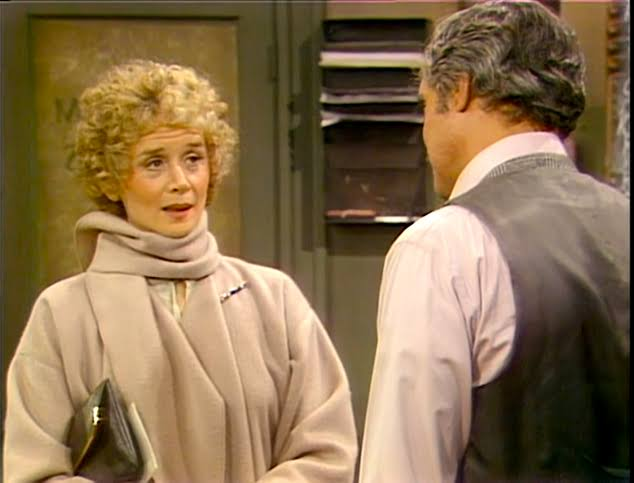
Directed by Larry Peerce, “One Potato, Two Potato” cast Barrie as Julie Cullen Richards, a divorced white woman who remarries a Black man, played by Bernie Hamilton. Her ex-husband sues for custody of their daughter, arguing the interracial household itself endangers the child. Hollywood studios wouldn’t touch the story in 1964; it was made independently and small. It went to Cannes anyway, and Barrie won Best Actress there, in a tie with Anne Bancroft for “The Pumpkin Eater,” according to Variety. The film also earned an Academy Award nomination for Best Original Screenplay. Barrie was 33, and had been on Broadway for less than a decade — her stage debut came in 1955.
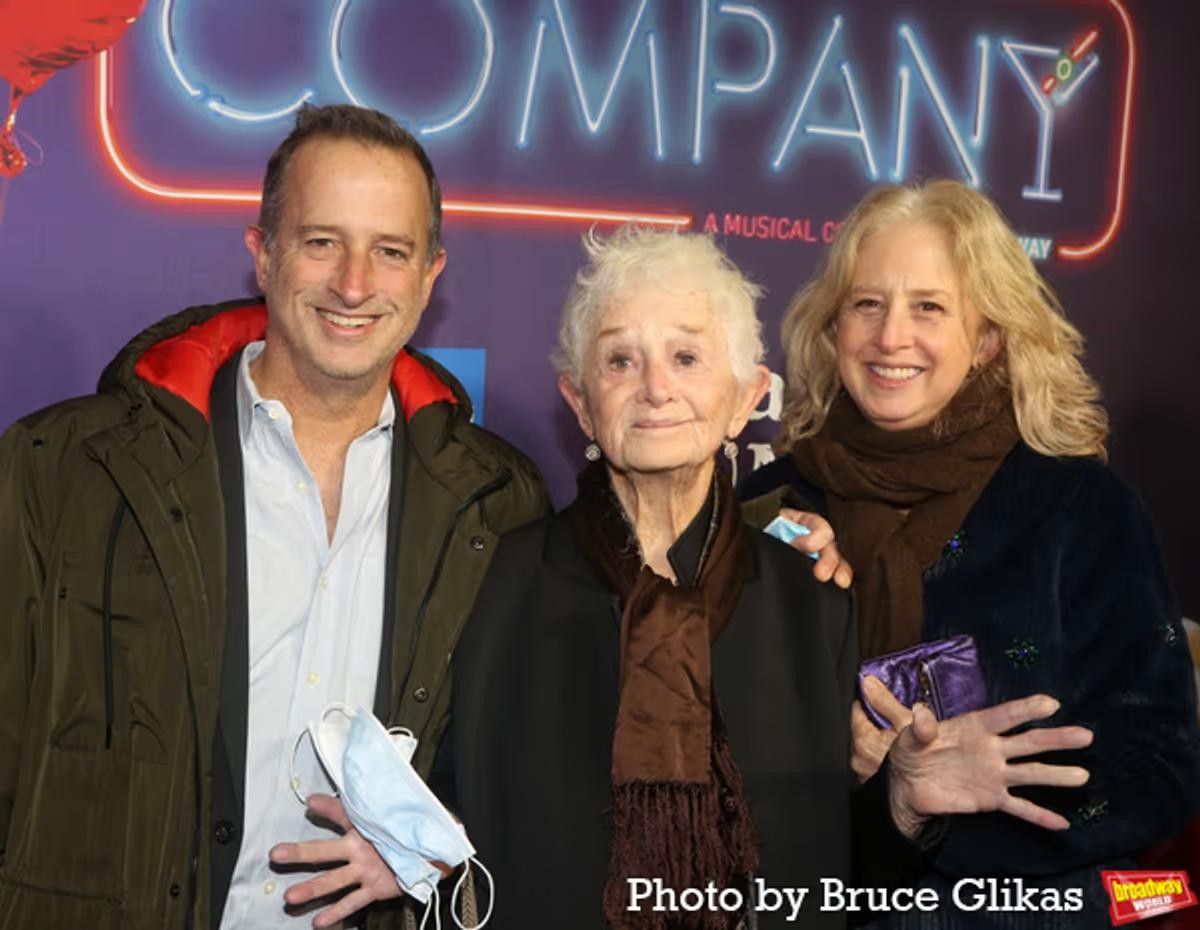
Six years after Cannes, Barrie originated the role of Sarah in Stephen Sondheim’s “Company” on Broadway, in a 1970 cast that also included Elaine Stritch and Susan Browning. Sarah is a dieting foodie locked in a bickering marriage with her alcoholic husband Harry, and the part had one peculiar distinction: it was the only principal role in the show that didn’t sing. It earned her a Tony nomination, Playbill noted.
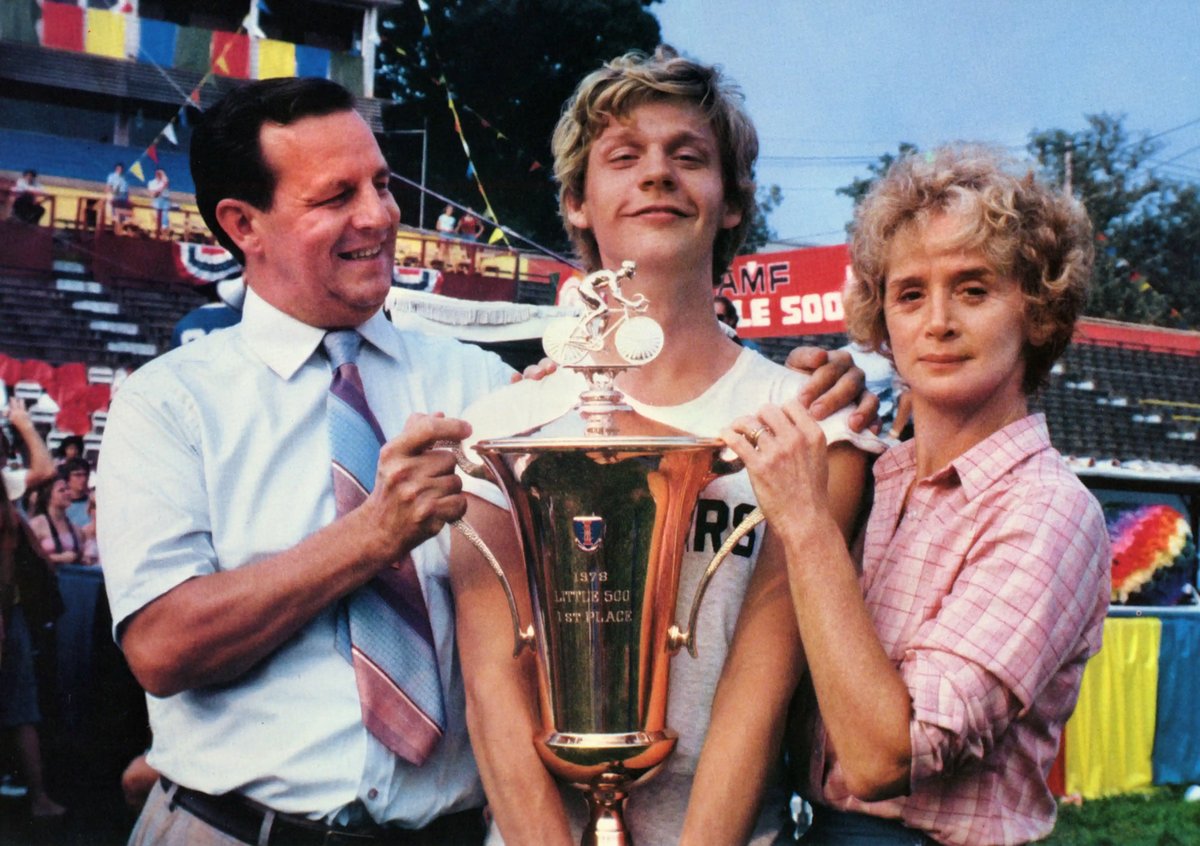
Her best-known film work came in 1979 with “Breaking Away,” the small-town Indiana cycling picture that became a surprise hit and a Best Picture nominee. Barrie played the mother of Dennis Christopher’s Italian-obsessed teenage racer, with Paul Dooley as the exasperated father. Barrie earned an Academy Award nomination for Best Supporting Actress, The Hollywood Reporter reported. She reprised the role in a short-lived 1980–81 TV adaptation of “Breaking Away,” which earned her an Emmy nomination.
She also played Liz Miller, the wife of Captain Barney Miller, in a recurring role on “Barney Miller” from 1975 to 1978, and was a regular on “Suddenly Susan” with Brooke Shields in the late 1990s. She worked steadily — film, stage, television, back to stage — through her 80s. Her final role was on Broadway, in “Significant Other,” closing out a career that began there in 1955 and never really left it.
Barbara Barrie died on October 28, 2026, at her home in Manhattan. She was 95. Her daughter, Jane Harnick, told The New York Times that Barrie had been diagnosed with terminal cancer and that her death was medically assisted under New York State’s Medical Aid in Dying Act, according to TVInsider. The law, signed by Gov. Kathy Hochul in February 2026, allows terminally ill adults with a prognosis of six months or less to request medication to end their lives.
Barrie had reportedly been a public proponent of that law before it passed. She spoke up for it as a citizen, not knowing — or perhaps knowing exactly — that she would one day be eligible for it. Eight months after it became law, she used it.
Sixty-two years earlier, she had put her name on a film about a marriage the law said shouldn’t exist. At the end, she put her name on a law about a choice that, until this year, New York said she couldn’t make. Both times, the law caught up.
ABC World News Tonight’s report on Barrie’s death, Oct. 28, 2026: